Parenting a one-year-old is a daily adventure filled with first steps, endless babbling, and a front-row seat to rapid development. As toddlers transition from tiny infants into active explorers, parents often wonder if they are doing enough to support their child’s physical growth. While genetics and balanced nutrition play the leading roles in determining height, physical activity provides the essential spark that keeps bones strong and muscles thriving.
Encouraging healthy height growth at this young age is not about intense workouts or rigid training regimens. Instead, it revolves around natural, play-based movements that stimulate bone density, improve posture, and promote the release of growth hormones. Simple daily exercises disguised as energetic games can make a significant difference in your child’s overall physical progress while keeping smiles on everyone’s faces.
The Gentle Stretch: “Reach for the Clouds”
One of the simplest yet most effective movements to encourage bone elongation and posture alignment is vertical stretching. When a toddler reaches upward, they stretch their spine, elongate their torso, and build strength in their core muscles. Good posture allows bones to grow naturally without unnecessary compression from slouching or weak muscles.
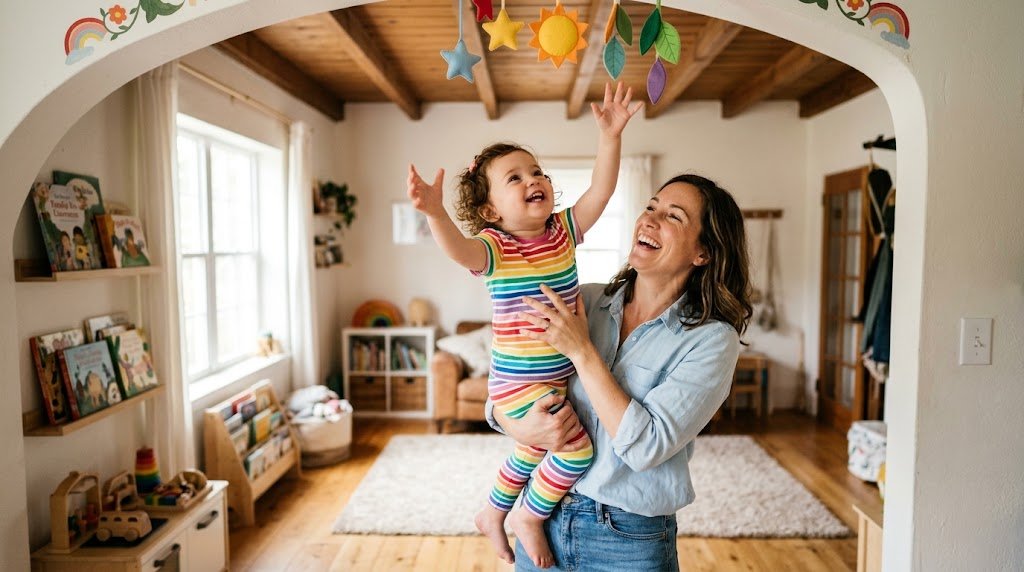
To turn stretching into a joyful game, ask your toddler to reach high up into the air to touch an imaginary star, a dangling ribbon, or a colorful balloon. Encourage them to stand tall on their tiptoes while reaching as far up as they safely can. Doing this for just a few minutes every morning wakes up their sleepy muscles and sets a healthy foundation for the day.
The Mini Jumper: Gentle Hopping Games
Bouncing and soft jumping are fantastic ways to stimulate bone density in growing legs. The light impact generated during hopping sends mechanical signals to the growth plates in the long bones of the legs, encouraging them to strengthen and expand. It also builds powerful ankle and knee joints, preparing your toddler for running and climbing.
Since one-year-olds are still perfecting their balance, hold both of their hands gently while encouraging them to jump up and down on a soft mat or rug. You can play lively music and call it the “Froggy Dance” or the “Kangaroo Bounce.” This controlled, playful movement keeps the impact safe for their developing joints while giving their height potential a gentle, natural push.
The Tiny Gymnast: Overhead Hanging Play
Hanging from a safe, low bar is a classic exercise that helps decompress the spine and lengthen the upper body muscles. Gravity acts as a natural stretching agent, gently pulling the torso straight and creating space between the vertebrae. This activity also builds incredible grip strength, shoulder stability, and overall body coordination.
Create a safe environment by supporting your toddler under their arms while they hold onto a low, sturdy bar or a low tree branch in the park. Allow them to feel their weight suspended for three to five seconds at a time before gently setting them back down. Always keep your hands securely around their waist or torso so they feel entirely safe and supported throughout the exercise.
The Explorer Crawl: Tummy Time Obstacle Course
Even though your one-year-old may already be walking, structured crawling and tummy-based movements remain vital for optimal physical growth. Crawling forces the spine into a healthy dynamic arch while strengthening the back, shoulder, and hip muscles. A strong back structure is essential for supporting a taller frame as your child continues to grow.
Design a mini obstacle course in your living room using soft pillows, rolled-up blankets, and play tunnels. Challenge your toddler to crawl over and under these soft obstacles to reach their favorite toy. This multi-directional movement stretches the back hips, flexes the back, and encourages full-body extension, which directly benefits physical stature and spatial awareness.
The Toes-to-Nose Bend: Playful Forward Folds
Flexibility is a crucial partner to strength when it comes to healthy skeletal development. Stretching the hamstrings, lower back, and calves keeps the body limber and prevents muscle tightness that could pull the spine out of alignment. Forward bending activities gently extend the leg tendons and promote healthy blood circulation throughout the entire body.
Sit on the floor together with legs extended straight out in front, and turn stretching into a storytelling session. Ask your toddler to lean forward and try to kiss their toes or touch their knees with their nose. Keep the mood light and celebratory, praising every attempt regardless of how far they can bend. Never force a stretch; gentle, repeated play will naturally increase their flexibility over time.
The Golden Trio: Sleep, Sunshine, and Smiles
While structured physical activities provide the mechanical stimulus for growth, they work best when paired with proper rest and natural sunlight. Bones require adequate Vitamin D from safe sunlight exposure to absorb calcium effectively, turning movement into physical bone growth. Moreover, the human growth hormone peaks during deep night sleep, making restful nights just as important as active days.
Creating a routine that balances active playtime with quiet rest ensures your child’s body has the energy and resources it needs to grow taller. Combine these simple daily exercises with a nutrient-dense diet rich in protein, calcium, and healthy fats. Most importantly, keep every activity fun and stress-free, as a happy, relaxed child is always in the best state to thrive physically, emotionally, and mentally.