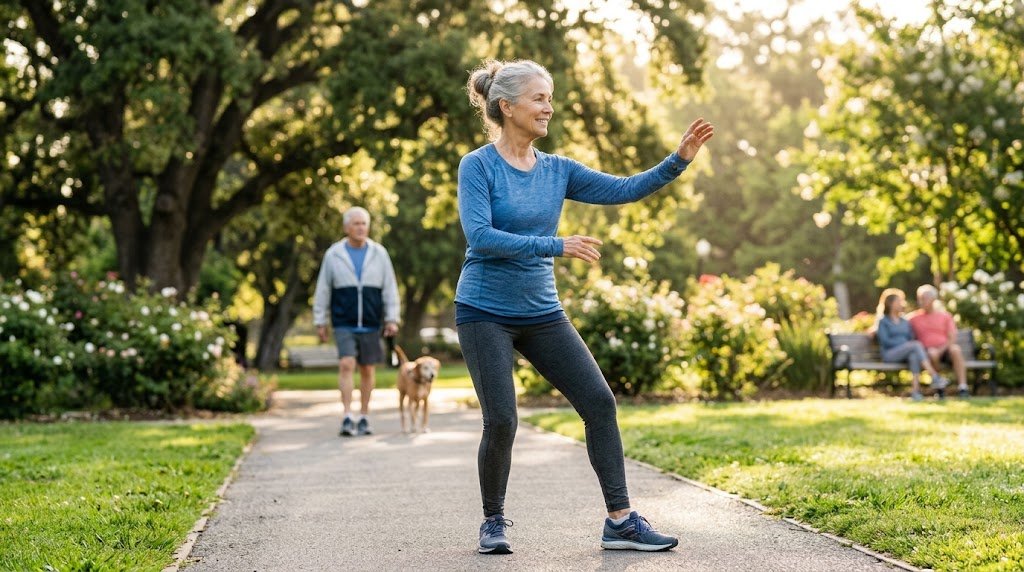
Who says the golden years are meant for sitting back in a rocking chair and watching the world go by? Across the globe, a quiet revolution is happening in local parks, community pools, and living rooms. Seniors over 60 are lacing up their sneakers, stepping onto yoga mats, and discovering that movement is the ultimate fountain of youth.
For decades, the standard cultural narrative suggested that turning 60 meant taking it easy and avoiding physical strain. Modern health science has turned that dusty notion completely upside down. Today, doctors and fitness experts agree that staying active in your sixties and beyond is not just safe—it is one of the most powerful things you can do for your mind and body.
The best part about starting a fitness journey after 60 is that you no longer have to care about grueling boot camps or painful workouts. It is not about running marathons or lifting heavy weights to impress anyone. Instead, senior fitness is all about functional movement, boosting daily energy, improving balance, and having a genuine blast while doing it.
Low-Impact Cardio: Gentle on the Joints, Great for the Heart
When it comes to cardiovascular health, high-impact activities like running on hard pavement can feel tough on aging joints. Fortunately, low-impact exercise provides all the incredible heart benefits without any of the unwanted aches and pains. Brisk walking remains the reigning king of accessible exercise for a reason.
A daily 30-minute walk through your local park or neighborhood does wonders for blood circulation, mood enhancement, and cardiovascular endurance. To make it even more enjoyable, invite a friend, join a local walking club, or plug into your favorite podcast. Walking naturally blends fitness with social connection, making it easy to turn into a long-term habit.
If you are looking for an option that offers zero joint impact, look no further than the swimming pool. Water aerobics and lap swimming offer gentle resistance from every direction while the buoyancy of the water supports your body weight. Floating through the water builds total-body strength while keeping your hips, knees, and ankles completely pain-free.
Strength Training: Preserving Muscle and Bone Health
One of the most important aspects of aging gracefully is maintaining muscle mass and bone density, both of which naturally decline over time. Strength training is the ultimate remedy for this natural process. Building stronger muscles directly supports your joints, reduces body stiffness, and makes everyday activities like carrying groceries much easier.
You do not need an intimidating gym full of massive barbells to build functional strength. Simple bodyweight movements, light dumbbells, or flexible resistance bands are more than enough to achieve fantastic results. Exercises like wall push-ups, gentle squats onto a safe chair, and standing calf raises work wonders for total body stability.
Incorporating strength training just two to three times a week significantly improves core control and posture. A strong core acts as a natural protective shield for your lower back, preventing chronic pain and keeping you upright, confident, and energetic throughout the day.
Balance and Flexibility: The Secret to Injury Prevention
Falls are one of the most common health hazards for older adults, but they are far from inevitable. Dedicating time to targeted balance and flexibility exercises dramatically reduces fall risks while sharpening your physical coordination. Among the many choices available today, Tai Chi and Yoga stand out as undisputed champions for seniors.
Tai Chi, often described as moving meditation, uses gentle, continuous movements that train your mind and body to maintain equilibrium. The slow, deliberate shifts in body weight train small stabilizer muscles that standard walking misses. Meanwhile, Gentle or Chair Yoga keeps your joints flexible, improves spinal posture, and relieves deep-seated muscle tension.
The magic of these ancient practices lies in their dual focus on breathwork and mental calmness. Beyond physical balance, practitioners report feeling significantly less daily stress, sleeping better at night, and experiencing a heightened sense of mental clarity during their waking hours.
Making Fitness Fun: Social Sports and Active Living
The most effective workout routine is always the one you actually look forward to doing. This is why social, recreational sports have exploded in popularity among adults over 60. Pickleball, a fast-growing racquet sport that combines elements of tennis, badminton, and ping-pong, has taken the senior community by storm.
Played on a smaller court with lightweight paddles and a plastic ball, Pickleball is easy to learn and gentle on the body. It delivers a fun cardiovascular workout while challenging hand-eye coordination and quick reflexes. Best of all, the vibrant community culture around the sport makes it an exceptional way to form lasting new friendships.
If competitive sports are not your style, active daily hobbies offer fantastic physical rewards as well. Gardening, recreational cycling, dancing, or playing with grandchildren keep your body in constant, healthy motion. The key is to shift your perspective on movement—viewing it not as a chore, but as a celebratory lifestyle choice.
Getting Started Safely and Staying Consistent
Before jumping into any new fitness routine, having a quick chat with your doctor or healthcare provider is always a wise first step. They can offer personalized guidelines based on your specific health history, joint conditions, or medications. Once you get the green light, the secret to lifelong success is starting slow and listening to your body.
Begin with manageable 10 to 15-minute sessions and gradually increase the duration as your stamina grows. Consistency is vastly more important than intensity; doing a little bit of enjoyable movement every single day beats overexerting yourself once a week. Be sure to stay well-hydrated, wear supportive footwear, and honor rest days when your body asks for them.
Age is truly just a number, and it is never too late to take control of your vitality. By blending cardiovascular walks, gentle strength training, balance work, and social fun, you are investing in a happier, healthier, and far more independent future. Step outside, embrace the joy of movement, and let this chapter be your most active one yet!